
Who Is Actually Ready to Start Bikini Prep?
This post is part of The Ultimate Bikini Prep Guide – check out the full guide for more!
On the heels of an earlier post “How Lean Should You Be Before Starting Prep?”, this might feel a little redundant. So open that sucker up in a new tab and head there after you’ve read this, as it’ll surely feel like you’re missing something after you finish this.
The leanness issue is one I obviously dive into big time in that other post so we’re going to focus on other aspects of readiness here.
Readiness Is Bigger Than Body Fat
Leanness is just one variable, plain and simple. Beginning competitors tend to treat it with outsized importance – it matters, but it’s not EVERYTHING.
I’ve certainly had clients where we sacrifice some leanness to come in fuller and it’s paid off (and sometimes it hasn’t paid off – full transparency. You’re gambling with judge’s expectations there).

You don’t usually go wrong with chasing leanness, but you can’t chase that at the expense of everything else.
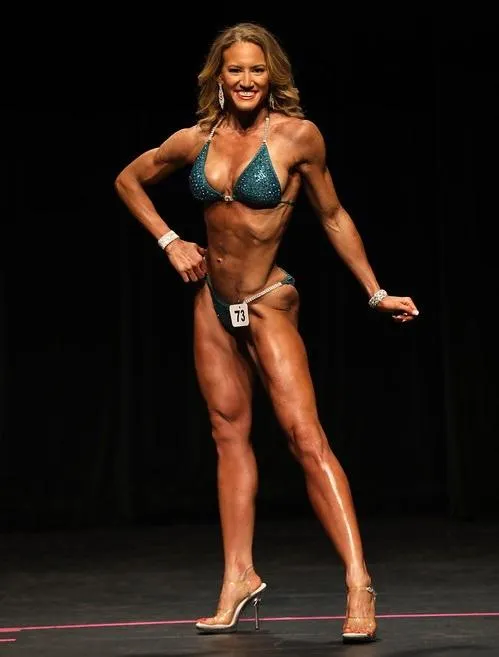
It’s still a bodybuilding show after all so you’re expected to be carrying a division-appropriate level of muscle, balance, and have a polished presentation with refined posing and transitions also.
Physical Readiness — More Than Just “Close Enough”
Let’s stick with the concept of physical readiness first before we leave it in the dust to concentrate of things that will more directly impact the quality of your prep.
This is about the final product you put on stage, not the process to get there. Again you need a “division-appopriate” level of muscle, which for Bikini or Fit Model isn’t a ton. More muscle can make prep easier but that impact is less in divisions that reward less muscle overall.
Enough Muscle to Reveal
You need to make sure that when you lean out, an experienced eye won’t describe you with the “S word” – skinny.
That’s an insult in the bodybuilding world. It means lean and no muscle. Definitely not what we’re after.
The cut exists to reveal detail and shape – but this means you need to have a LOT of shape before starting prep in order for enough of it to survive. This is also reliant upon your weight at the start of prep vs. anticipated stage weight.
If you have 20-25lbs to drop, you should be feeling pretty thick and full and rockin’ that busted can of biscuits aesthetic. People should be commenting “THICCCCC” on your posts every day.
If you have 5-10lbs to drop to stage weight, you’re within visual striking distance of a stage aesthetic already and shouldn’t be expecting any big surprises.
Behavioral Readiness
This is a big one. Shifting into prep is often energizing but it can take as little as 3-4 days for that influx of energy to turn into stress. And stress is going to expose problems with your routine, amplify them. So ideally your routine is going to be firing on all cylinders before prep starts.
Of course once prep starts the specifics change, but you shouldn’t be having to relearn new meal prep tactics or massively reinvent your schedule.
I like to maintain some cardio for my clients in the off-season so they don’t fall out of the habit of doing it entirely. That way when we add more, it’s about carving out some extra minutes and not just expecting sessions to materialize out of thin air into an already busy schedule.
For the diet shift that happens, I don’t make any wholesale changes – I’m typically changing amounts and portion sizes so the established meal prep routine can shine through and keep things easy and low stress.
Psychological Readiness
Routine is one thing, but making sure your brain is prep-ready is a big deal also.
Tolerance for Monotony
If you need excitement and variety in your routine, prep is going to feel weird. I know, I know – people employ variety in prep all the time and are successful with it.
Some people do. Most people who employ variety end up hurting their results with it. Sameness and consistency create a steady backdrop that you can closely monitor change against. People who are chaotic or more random with their food choices and workout structure during prep and are still successful are genetic freaks who won’t be reading this article because they aren’t searching for how to be successful in prep.
So if you found this – take it to heart that sameness and consistency and BOREDOM during prep are good things.
Emotional Stability Under Constraint
You also need a solid plan in place for managing hunger, fatigue, and the sacrifices that you’ll need to make in order to remain consistent.
Some of this has to be learned on the fly. You can’t tell someone who isn’t actively experiencing hunger how to deal with it.
Managing fatigue comes mostly from just not overdoing it to begin with, which you won’t know if you’re overdoing it until you do it, at which point you just need to recognize it for what it is and figure out what pushed you over the line (excess cardio, aggressive training frequency, etc).
Can you be less emotional and more data-driven? That’s a huge asset as well.
Your Relationship With the Mirror
Also read this article about body image during prep to help cope with the tendency to over-analyze and over-scrutinize your physique.
Life Stability Matters More Than Motivation
Stability and stress management are the main hidden factors to prep success that I like to drill into my clients.
Stress – whether it comes from work, relationships, travel, finances, family, or prep (including training – good stress, but stress all the same) all goes into the same bucket and when that bucket overflows your experience adrenal dysfunction and this is a bad place to be.
We need the inherent stress of prep to bring about the change we need. But the ancillary stressors that have nothing to do with prep need to be minimized as much as possible.
Also, competing is expensive. Make sure you’re financially secure enough to make it through prep.
Of all my clients who set their eyes on competing, start prep, and don’t finish it – probably 50-60% of those dropouts are due to financial limitations.
Know the costs before you start prep.
Financial and Logistical Readiness
Speaking of those costs, let’s itemize them.
Certain things are baked into the formula of being a bodybuilder and won’t change significantly in prep.
- Gym membership
- Fuel costs to/from gym (not significant unless your gym is an hour away and you drive a Suburban)
- Food (often cheaper in prep because you’re eating less)
- Supplements (should be minimal in most cases)
Then there are the show specific expenses:
- Show registration: typically $100-130 per class, so this varies depending on how many classes you crossover into.
- Organization registration fees: typically $80-150
- Tan/hair/makeup – can be done DIY on the cheap or this can run $300-400 for a show
- Suit: you can rent a suit or buy one off the rack for a reasonable price, or spend over $1000 for one (don’t do this).
- Travel/hotel costs: for shows not in your hometown
- Coaching: anywhere from $150-600 per month
- Time off work for the show
It can add up in a hurry.
Who Probably Isn’t Ready (Yet)
After reading the sections above, you probably know where you sit on the readiness spectrum if you’re reading this honestly.
If you’re reading in the above and sucking air through your teeth on certain sections, that’s not a good sign – but everything is fixable.
Which areas are you aligned on? Which areas are you less aligned on?
Thankfully I built a handy dandy readiness quiz to help you sort this out.
Check it out here:
Readiness Is About Leverage
Being “kinda lean-ish” when you start prep is great, but not a requirement. Having a shorter runway and better visual clarity on the goal is never a problem, unless you sacrifice your off-season gains for it in which case you’re missing the point of bodybuilding – which is to allow your conditioning to fluctuate to chase the extremes as mandated by the judging standards.
Make sure your routine is on lock.
Prepare yourself psychologically.
Make sure you’re financially ready.
As long as the physique is in the right ballpark, you’ll be in good shape!

Get notified when new posts like this get published.