
Multi-Show vs Single-Show Strategy
This post is part of The Ultimate Bikini Prep Guide – check out the full guide for more!
Once you’ve settled on a show – or at least a general range of dates where you want that show to be – it’s only natural to think:
“Hey…since I’m getting ready for a show, should I just do more than 1 since I’ll be in shape already?”
It’s a great question and worth weighing some of the pros and cons. Let’s dive in.
Not Every Prep Needs a “Season”
In the past, personally I have historically stuck to doing one show a season (and not even competing every year). This is for a very basic reason.
I don’t really want to do more than one.
This might sound weird, but I don’t love competing. I like prep and getting in shape to compete, but show day itself I see as kind of the necessary evil that I have to endure to put a bow on the whole prep phase and call it “done”.
Other people, obviously, LOVE competing and being on stage.
So think about WHY you compete first, and if the single show and multiple show strategy is more aligned with that. Neither avenue is superior or means you’re “better” or “worse”, they’re just different.

What a Multi-Show Strategy Actually Demands
If you are thinking about multiple shows, what do you hope to gain out of it?
If these shows are all pro qualifiers or national qualifiers and that’s your goal, it makes a lot of sense. Stack up some shows and take multiple bites at the apple when reaching for success. This is incredibly common in IFBB pro ranks where competitors will plan on doing 3-6 (or more) shows in succession in hopes of earning an Olympia qualification, which requires a win (or accumulating enough points).
If you’re newer to competing and are just looking to rack up stage experience, that also can be immensely valuable.
Recovery Becomes a Variable
But it’s not as easy as just going and doing it.
You have to manage your conditioning across multiple peak weeks, and whether they’re back to back or separated by several weeks, each scenario presents its own challenge.
You’ll be “in prep” from the start until after your final show (likely) which can be a LONG time. Worth knowing that.
It’s also common to experience elevated levels of stress and fatigue which can make quality sleep and digestive consistency challenging. This can make prep feel disproportionately longer still.
Conservative Peaking
One thing you can do to combat that is to avoid aggressive peak week protocols. If you have to manage a bunch of variables in consecutive weeks to shed weight and come in as sharp as your category demands, that’s additional stress on the body – so it’s good to know how you’re going to peak.
I typically do pretty conservative peak week programming for my clients so doing multiple shows is pretty sustainable, since peak week ends up feeling almost like a break often time.
Emotional Stability Across Placings
Also remember that you’re human. It’s entirely possible you have 3 shows lined up, do poorly at the first one, and then have an emotional reaction and want to throw in the towel for the remaining 2.
I DO advocate for many people holding off on financially committing to a show until you KNOW it’s happening. Example, if you’re chasing an NPC national qualification and have 2 shows lined up, don’t register for the 2nd one until you know you didn’t meet your target at the 1st – otherwise you’re creating more work (and expense) for yourself that you don’t need.
You need to be able to take poor placings and judge feedback in stride. I like to tell people “don’t step on stage unless you’re ready to get your ass kicked” – that’s not the goal, but it can absolutely happen to anyone so be prepared for it.
The Case for a Single-Show Focus
Clearly, doing one show is just simpler. Fewer variables, easier logistics, a simpler plan after getting off stage.
You have one peak week. One show day. One round of travel and possibly hotel/AirBnB nonsense to mess with.
For me, my wife wants to come and that means taking our dogs as well since they are “special needs” and it’s hard to get people to watch them at home. This creates another headache of leaving them alone for too long during a long show day, etc. It’s a lot.
So as I plan ahead this year and I’m actually planning for 2 shows on consecutive weeks, some additional planning goes into this as well. The first show is a couple hours away, my wife will likely stay home for that one. The 2nd show is in town, so everyone can sleep in their own beds (self included!)
Aggression vs Sustainability
Of course you’ll find exceptions to this, but this post is designed for someone NOT competing in the upper tiers of the professional ranks.
If you do one show, you’ll have an easier time of throwing everything you’ve got into that prep and having it turn out well. With multiple shows, you do need to meter and pace yourself a bit. If you have a 20 week prep for show #1, then 3 weeks before show #2, then another 4 weeks before show #3 – that’s 27 weeks of prep. Over half a year.
That will break a huge chunk of people, and it’s not realistic – especially early in your competitive career – to expect that A) you’ll survive that, and B) look good at the end of it.
Being overly aggressive with your planning is something I’d recommend saving until you’ve had a couple seasons of experience at least.
Budget and Logistics Are Not Minor Details
The big and most obvious thing here is that competing is expensive, and doing multiple shows will scale the costs of your prep CONSIDERABLY.
Doing a show requires you have a membership card for your organization (NPC, OCB, etc). If you compete across multiple organizations (not my favorite strategy), that means multiple membership cards. You also need a suit and, for women, shoes.
That’s all consistent whether you’re doing one show or multiple shows.
Everything else – registration fees, tan/hair/makeup, travel expenses, hotel/room costs, last minute food/misc expenses, photo packages, time off work (if needed), etc – those are added expenses that compound for EVERY SHOW.
Staying closer to home helps mitigate this. Being able to do your own hair and makeup mitigates this further. But it’s still worth budgeting out to make sure you’re prepared.
Experience Changes the Equation
As I’ve hinted at, it’s a different set of rules or expectations based on your experience level. This isn’t a character judgment, just the reality of what it means to have that experience.
First-Time Competitors
When you’re new, every prep is the hardest thing you’ve ever done. Stringing multiple shows together is often a bad idea, putting the cart before the horse.
It’s like a band booking a tour when they haven’t even played locally in front of 10 people yet. Walk before you run.
Experienced Athletes
The more shows you’ve done, the more “normal” prep and being in prep feels and it’s easier to stretch a 15-18 week prep into 22-24 weeks without really making a big deal of it.
You’re also likely to be at a stage of physique refinement where you can actually act on judges feedback and make improvements between shows.
There Is No Universal Answer
To be clear I’ve had clients do multiple shows in their first season and do just fine. Take a look at Maddy below who did 2 shows (June on the left, September on the right) in her first season while only 20 years old.
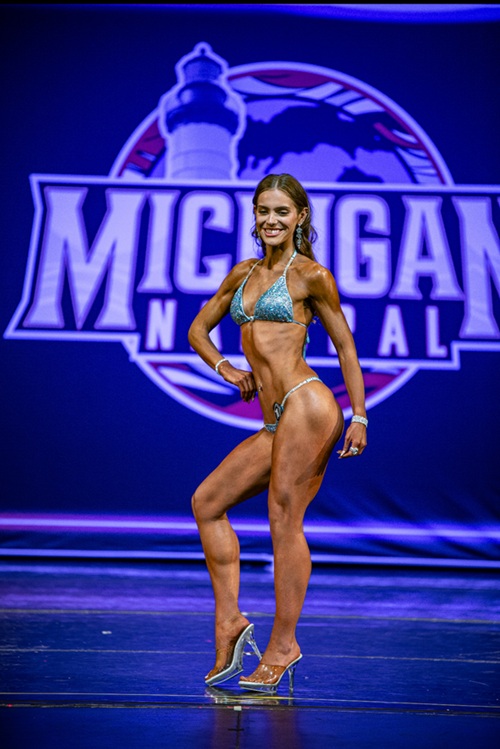
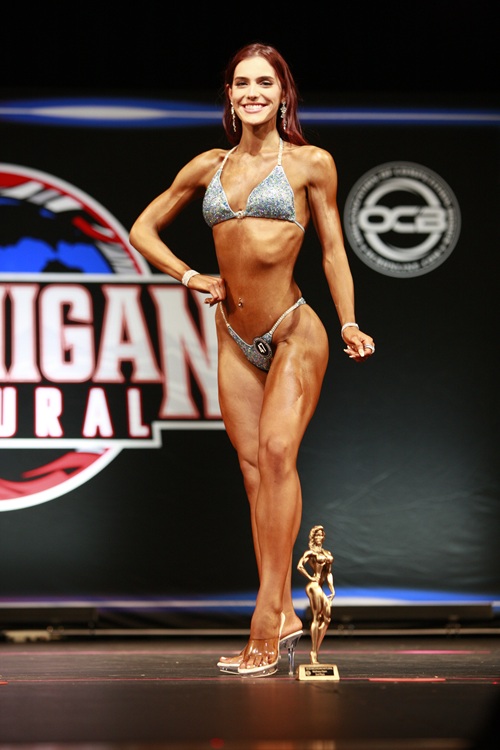
We did this because we knew the added stage experience was going to be valuable, and the shows were relatively close to home and she was committed and dialed in and in a position where she was determined to let the pressure of prep just roll off her back without creating issues. And she executed that extremely well.
Think about your goals, your recovery capacity, your budgetary bandwidth, and your psyche as well – the right answer for you lies somewhere in that soup.

Get notified when new posts like this get published.