
The Ultimate Bikini Prep Bible
By Darin Starr - Owner/Coach, Five Starr Physique
Bikini prep is usually framed one of two ways: like it’s some nebulous process that only coaches understand… or like it’s overly simple (“cut carbs and do cardio”). Both takes are why so many driven lifters end up spinning their wheels, burning out, or showing up to show day thinking, wait… how did that not work?
Here’s the truth: contest prep is a learnable process. It’s still hard, but it shouldn’t feel random. When training, nutrition, recovery, and timeline actually match the goal, prep becomes structured — and a lot more predictable.
And even though we’re using “bikini prep” throughout this guide, the structure we’ll cover here applies to fit model, wellness, figure, physique, and bodybuilding in general. The end look changes. The process doesn’t.
Who this guide is for?
- Current or aspiring competitors in bikini, fit model, wellness, figure, or women’s physique
- Non-competitors looking for a more advanced and systematic approach to physique development
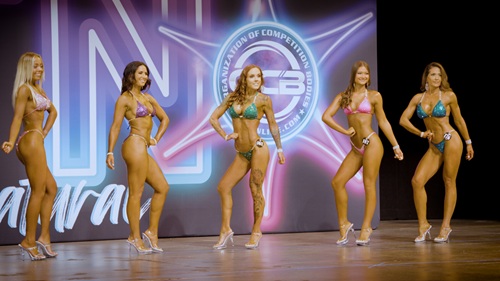
This isn’t an “intro to competing” article that you’ve probably already come across elsewhere. It’s a real roadmap. We’re going to get into the stuff people usually gloss over:
- How to tell if you’re actually ready to start
- How the phases fit together (growth, cut, peak week, post-show)
- What to prioritize in training and nutrition, and what to stop obsessing over
- How to manage fatigue, plateaus, and the mental side, panic-free
I’ve been a full-time coach for 15+ years, and I’ve guided hundreds of athletes through this exact process. What you’re reading here is the framework I use to keep prep effective, sane, and repeatable.
Here’s a roadmap of what we’ll be diving into in this post:
Section 1 – What Bikini Prep Actually Is (and What It Isn’t)
Section 2 – Who Bikini Prep Is For — and Who Should Wait
Section 3 – What Success in Bikini Prep Requires
Section 4 – Mindset, Expectations & the Reality of Competing
Section 5 – Bikini Standards & What Judges Are Really Looking For
Section 6 – Your Roadmap for Long-Term Planning
Section 7 – Show Selection & Strategy
Section 8 – Health, Physiology & Risk Management
Section 9 – Fundamentals of Training for Bikini Competition
Section 10 – Growth & Off-Season Phases (Where Most Progress Is Made)
Section 11 – Pre-Contest / Cut Phases
Section 12 – Peak Week & Show Day
Section 13 – Post-Show & Reversing
Section 14 – Putting It All Together
Later in the guide, I’ll show you how the full step-by-step system is organized inside Bikini Blueprint — but this page itself is designed to stand on its own as a serious resource.
What Bikini Prep Actually Is (and What It Isn’t)
When people say “bikini prep,” they usually mean the pre-contest dieting phase. In reality, that phase is just one part of the larger process of competing. The “prep” phase isn’t simply fat loss or a “more is more” push – it only works when it’s supported by long-term planning, training, and recovery.
Where most people get stuck is treating prep like an extreme version of everyday fitness. Prep is temporary, intentional, and goal-specific. It requires different priorities than lifestyle training, and it breaks down when those priorities are improvised.
At its core, bikini prep answers one question:
How do you reveal the physique you’ve built without losing what made it impressive in the first place?
That requires fat loss aggressive enough to reach stage condition, but controlled enough to preserve muscle, shape, and performance.
That also means prep only works if there’s something worth revealing. Time spent building muscle and structure isn’t optional – it’s the foundation that makes prep effective.
This is why bikini prep isn’t one-size-fits-all. Understanding the process matters far more than copying someone else’s plan.
Read more: Common bikini prep misconceptions (deep dive article coming soon!)
Before you can plan bikini prep effectively, you need to understand why so many smart, disciplined lifters struggle with it in the first place—and what usually goes wrong early.
Takeaways:
- Prep is one phase of competing — not the entire process
- It’s structured, intentional, and goal-specific, not just “dieting harder”
- Prep only works when it’s supported by building muscle, long-term planning, and recovery
Who Bikini Prep Is For — and Who Should Wait
Bikini prep isn’t something you “try out” on a whim. It’s a focused, time-bound process that asks a lot from your body and your life, even when it’s done well. Knowing when you’re actually ready for it matters just as much as knowing how to prep.
After coaching hundreds of competitors across bikini, fit model, wellness, figure, and beyond, the biggest mistakes almost always happen before prep even starts. People rush in because they feel behind, inspired, or impatient – not because the timing is right.
This section isn’t about gatekeeping. It’s about helping you make a decision you won’t regret three weeks into low calories and high cardio, wondering why things aren’t changing fast enough.
Bikini Prep Is For You If…
At its core, bikini prep works best for lifters who already have a solid base and want to refine and reveal, not start building from scratch (that needs to already be in place). You don’t need to be perfect, but you do need consistency and realistic expectations.
Bikini prep is likely a good fit if:
- You’ve been training consistently for at least a couple of years and understand basic lifting mechanics
- You have enough muscle that it looks like you lift to a casual observer. You don’t need to be jacked out of your mind, necessarily (in figure or women’s physique, you probably should be)
- Your nutrition is already reasonably structured, or you know what that structure looks like at least and you’re comfortable with it.
- You can follow a plan without constantly reinventing it (sameness and consistency and huge assets).
- You have a specific show or timeline in mind, not just a vague “someday” goal
- You’re willing to be uncomfortable without panicking and changing everything
That last one matters more than most people think.
This applies beyond bikini as well, of course. Fit model, wellness, figure and physique competitors follow the same logic – the division changes, the judging criteria change, and the amount of muscle and level of leanness you need to bring to the stage change – but the need for a training base, patience, and structure doesn’t.
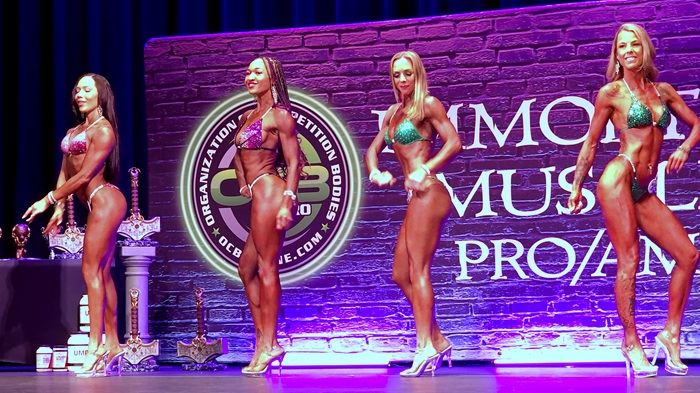
Who Should Seriously Consider Waiting
Waiting doesn’t mean quitting. In many cases, it’s the smartest move you can make.
You may want to delay actually jumping into bikini prep if:
- Your training has been inconsistent or recently restarted
- You’re still learning how to track food or train with intent
- You struggle to just follow a plan consistently
- Life stress is already high (new job, major travel, poor sleep, family chaos, tight finances)
- You’re hoping prep will “fix” motivation or discipline issues
Prep magnifies everything – good habits and bad ones. If the foundation isn’t there, prep doesn’t create it. It’s just going to expose the gaps. And if you need to wait a year before competing? Hey…more time to grow! That’s a good thing, not a problem.
And no, this isn’t a moral judgment. I’ve told plenty of highly driven people to wait, and nearly all of them thanked me later when their eventual prep went smoother, faster, and with far less misery. I learned this lesson myself by having many false starts on my journey to getting on stage for the first time.
The Cost of Starting Too Soon
Starting bikini prep before you’re ready doesn’t just make the process harder — it often makes future preps worse. Muscle loss, metabolic adaptation, burnout, and confidence hits are common outcomes when someone forces prep without the runway to support it.
That’s one of the reasons experience matters here. When you’ve seen tens of thousands of check-ins across different body types and divisions, patterns become obvious. Most “bad genetics” stories are actually timing and structure problems.
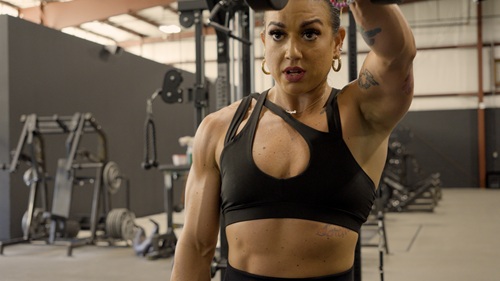
Sometimes the best prep decision is a focused improvement (muscle building) phase first. Build more muscle. Learn how your body responds. Then come back to prep with leverage instead of desperation. This is what I would still consider “competition prep”, but just not the “pre-contest cut” phase of it. You’re still working with intent towards getting on stage – just focusing on creating a more impressive package to display there first.
There are some potentially valid reasons for rushing prep, but for serious competitors who plan on starting a “competitive career”, those don’t apply here. Take the time, and pick your first show when you’re truly ready for it.
Takeaways:
- Not everyone benefits from starting prep right now
- Readiness depends on more than motivation or work ethic
- Waiting can be a strategic advantage, not a setback
Once you know whether bikini prep makes sense for you right now, the next step is understanding what actually has to be in place before prep officially begins.
What Success in Bikini Prep Requires
Most people think bikini prep success comes down to willpower. Eat less. Train harder. Want it more. Yes, this works for some but it’s a poor strategy to go in relying on. In reality, the athletes who do best in prep aren’t always the most extreme – they’re the most prepared and the most patient.
After years of coaching bikini, fit model, wellness, figure and physique competitors through every kind of prep imaginable, one thing is consistent: success comes from meeting a small set of non-negotiable requirements. Miss one, and prep becomes unnecessarily chaotic. Hit them, and the process becomes demanding but predictable.
This isn’t about perfection. It’s about understanding what actually moves the needle – and what people tend to overemphasize instead.
A Realistic Timeline (and Respect for It)
Bikini prep doesn’t start when calories drop. It starts when the timeline is set, regardless of what the first step or phase is. Without enough time, even a well-built physique gets rushed, and rushed preps almost always trade muscle for leanness.
Successful preps respect the calendar. That means:
- Allowing enough weeks to create fat loss without panic adjustments
- Building in some time for plateaus, stalls, or lost time due to illness (often unavoidable)
- Accepting that progress won’t be linear week to week
- Making decisions based on trends, not emotions (VERY hard when coaching oneself)
The exact length varies by athlete and division, but the principle doesn’t change. Time is a variable you either plan for – or pay for later.
Consistency, Routine, and Habits
Successful bikini prep is built on sameness. The athletes who do best are rarely doing anything dramatic – they’re repeating the same basic behaviors, day after day, long enough for those behaviors to actually work.
That means:
- Training on a predictable schedule with repeatable movements
- Eating similar meals with consistent timing
- Keeping daily routines boring enough that compliance becomes automatic
Doing this creates what I call the “white noise effect” – prep just kinda happens in the background of life – humming along, doing its thing, without taking over everything. Sameness reduces decision fatigue which creates more brainspace for other facets of life.
Prep is demanding but it doesn’t HAVE to be the ONLY thing you do. In fact I strongly encourage my clients to not let it dominate their entire existence. Those who do tend to burn out faster. We strive for balance, just a little different version of it.
I tell clients this often: the best preps are built on a long string of seriously boring weeks. Same meals. Same training patterns. Same rhythms. That’s not a flaw – it’s the point.
When prep feels chaotic or constantly novel, it’s usually because consistency hasn’t had enough time to do its job.
Clear and Focused Priorities
You can’t prep for a bikini show and simultaneously train for performance PRs, endurance events, or aggressive muscle gain. Prep demands a clear hierarchy of goals, with stage readiness at the top of a pyramid where all other goals feed towards it.
That doesn’t mean everything else disappears – it means everything else supports the primary outcome. Training is adjusted to maintain shape and control fatigue. Nutrition is aimed at controlled fat loss. Recovery becomes non-negotiable.
This applies across divisions. Fit model, wellness, figure, physique – same rule. One primary goal, everything else falls in line behind it.
The Ability to Assess Progress Objectively
One of the most underrated requirements for bikini prep success is emotional distance. Scale weight, photos, measurements, and performance are data – not judgments.
Athletes who succeed can:
- Look at slow weeks without spiraling
- Accept feedback without taking it personally
- Adjust when needed without abandoning the plan
- Avoid eating their emotions
This is where having structure (and often an experienced outside eye) makes an enormous difference. Prep isn’t about proving toughness. It’s about making good decisions repeatedly.
A Willingness to Learn the Process
Finally, successful bikini prep requires curiosity. The athletes who get the most out of prep don’t just follow instructions – they learn why those instructions exist.
That’s what turns prep from a one-off suffering experience into a repeatable skill. Whether you stay in bikini or move into wellness or figure later, the underlying process stays the same.
Understanding that process is what creates confidence – not just for this prep, but for every phase that follows.
Takeaways:
- Consistency and routine matter more than intensity
- Progress comes from repeatable habits, not constant novelty
- The best preps often feel boring — and that’s a good sign
Once you understand what success in bikini prep actually requires, the next step is learning how that balances with the rest of your life and being prepared for some of the unsung challenges of competing.
Mindset, Expectations & the Reality of Competing
Bikini prep doesn’t just change how you train and eat – it changes how you think, how you see your body, and how you relate to other people in the sport. This is the part almost everyone underestimates, even experienced lifters. Prep is just a different frickin’ beast.
You get through prep and make it on stage, that’s a big freakin’ deal. It changes you and your perspective on challenge and other things as well – and that change doesn’t come easily. Expect to have days where you just want to quit. That’s normal.
After coaching competitors across bikini, fit model, wellness, figure, and physique for years, this section is often where people say, “I wish someone had explained this to me sooner.” This isn’t to scare anyone off – but to replace vague anxiety (or naivete) with informed expectations.
Prep is demanding. Competing is optional. Understanding the reality ahead of time is what makes the experience empowering instead of overwhelming. Doing this makes you a member of a very exclusive club – embrace the challenge and step up to the plate.
The Mental Challenges of Prep
Prep compresses your world. Food choices narrow. Training becomes more deliberate and completely non-negotiable. Recovery matters more. As calories come down and fatigue creeps in, mental bandwidth shrinks. Brain fogs kicks in. Unplanned naps just happen (hopefully not when driving).
This is normal — but it can feel unsettling if you’re not expecting it.
Common mental challenges during prep include:
- Increased irritability or emotional sensitivity
- Reduced tolerance for stress or unpredictability
- Feeling mentally “flat” even when motivation is still there
None of this means you’re doing prep wrong. It means your body is allocating resources toward the goal you set. The key is recognizing these shifts early so they don’t drive impulsive decisions.
Mental challenges during bikini prep (deep dive article coming soon!)
Body Image During Prep
Here’s the paradox most competitors aren’t prepared for: you can be getting leaner and closer to stage condition while feeling worse about your body.
Fat loss is not linear, and visual changes don’t always match effort. Water retention, inflammation, and hormonal shifts can temporarily blur progress. Add frequent photos, mirrors, and comparisons, and it’s easy to lose perspective.
This doesn’t only affect bikini athletes. Wellness and figure competitors deal with the same distortion – just through a different aesthetic lens.
Body dysmorphia is a very real thing. It impacts bodybuilders at a disproportionate level, but my theory on that is reversed – I think many people are drawn to bodybuilding BECAUSE they have a level of body dysmorphia already. It’s good to know that for many people, no amount of work and positive change is going to make you happy with your physique – that’s a mental shift you make (probably with a therapist), not by winning plastic trophies.
A healthy prep mindset treats body image as data-adjacent, not authoritative. Photos, feedback, and trends matter more than daily feelings.
Body image during contest prep (deep dive article coming soon!)
Handling Comparison and External Pressure
Social media has made comparison unavoidable. Everyone looks leaner, fuller, more confident — and somehow always “ahead” of you.
Successful competitors learn to separate inspiration from interference. Other athletes’ timelines, genetics, and starting points are not benchmarks for your decisions. When comparison drives changes, prep becomes reactive instead of strategic. All of your planning gets tossed into the trashcan because of an emotional response.
Recently I had a client who was FREAKING OUT because she was seeing other women on Instagram she knew she’d be sharing the stage with at Nationals in a few short weeks. I put her on a social media ban at 4-5 weeks out and she willingly cooperated – and end up winning her class and a pro card. She just had to get out of her own way.
External pressure can also come from well-meaning friends, family, or gym acquaintances who don’t understand the process. Make sure the people in your circle understand what you’re doing and WHY. It may seem weird to them, but if they know it’s important to YOU that’s what matters. Surround yourself with that support. Distance yourself from those you give you grief or trivialize your important goals.
Managing comparison in bikini prep (deep dive article coming soon!)
Why Are You Doing This?
This is the question many people don’t ask until they’re already deep into prep, but this needs to be asked and answered way before you start looking for shows.
Competing can be incredibly rewarding – a test of discipline, patience, and follow-through. It can also be stressful, expensive, and emotionally demanding. Both things can be true.
Taking the time to evaluate why you want to compete, what you expect from the experience, and what you’re willing to trade off makes every outcome better, regardless of placement.
Do you want to earn a pro card? If so, why? Many people are under a weird assumption that pros make a lot of money – they do not. If they make ANY (rare), it’s only enough to offset prep costs in the absolute rarest of circumstances.
You know the select few pro athletes who make good money, but you just KNOW they would still play even if they only made like 40-50k/year? That’s the love you need for bodybuilding to do this. Because you’re likely only spending money here, not making any.
Is bikini competing worth it? (deep dive article coming soon!)
If you want clarity before committing to prep or competing:
[CTA placeholder: “Bikini Blueprint”]
Takeaways:
- Prep challenges identity, patience, and emotional regulation
- Comparison and body image issues are normal — and manageable
- Competing is only “worth it” if the process itself makes sense to you
With expectations set and the emotional reality acknowledged, let’s dig in to some judging standards so we know what the heck we’re actually trying to build and work towards.
Bikini Standards & What Judges Are Really Looking For
Up to this point, the focus has been on decisions — whether competing makes sense, when to start, and how to approach prep intelligently. This section shifts the focus to the target itself. Because no matter how well you plan or execute, success still depends on aiming at the right standard.
This is where a lot of otherwise solid preps miss the mark. Not because someone didn’t work hard – but because they were chasing an outdated, misunderstood, or overly generalized idea of what “bikini” actually means.
And yes, this applies across divisions. Fit model, wellness, figure, and physique have their own criteria, but the mistake is the same: prepping without a clear picture of what’s being judged today.
Bikini Division Judging Criteria (What’s Actually Being Scored)
Bikini judging isn’t subjective chaos, even though it can feel that way from the outside. Judges are looking for a specific combination of:
- Overall balance and symmetry
- Muscular development appropriate to the division
- Conditioning that’s lean, but not extreme
- Confident, controlled presentation with a healthy dose of glamour
What they are not doing is ranking who suffered the most or who dieted the hardest. And no one is rushing the stage with a scale or calipers to check your body fat – this is 100% ENTIRELY focused on a visual aesthetic – the look.
Understanding the criteria matters because it informs every prep decision — how much muscle to build, how lean to get, and what not to chase.
[Link / embedded video placeholder: Bikini judging criteria]
How Bikini Standards Have Changed Over Time
One of the biggest sources of confusion in bikini prep is chasing yesterday’s standards with today’s expectations. Bikini has evolved — sometimes subtly, sometimes not.
Over time, the division has:
- Rewarded more muscular development than early bikini
- Tightened expectations around lower-body structure
- Become more consistent in what “stage-ready” looks like
If you’re using photos, advice, or plans from years ago without context, you may be aiming at a moving target without realizing it. Fit model was recently added as a category and it was explicitly defined in the rules as being “what bikini was when it was first introduced” – a bold admission that judging standards for bikini have not been adhered to as written over the years, and the category has evolved significantly.
Evolution of bikini standards (deep dive article coming soon!)
Bikini vs Fit Model vs Wellness vs Figure
While the prep structure is similar across divisions, the end goal is not.
- Bikini emphasizes balance, shape, and presentation
- Fit model has less overall development and is slightly softer
- Wellness prioritizes lower-body development and density (legs too big? Not a thing here)
- Figure rewards more upper-body muscle and overall hardness
- Physique takes the expectations for figure, ditches the heels and turns it up a couple more degrees
Where athletes get into trouble is prepping like one division while competing in another — either underbuilding or overconditioning relative to what judges want.
Knowing where your physique naturally fits (or where you want it to fit) should inform prep long before calories drop.
Bikini vs wellness vs figure (deep dive article coming soon!)
Posing, Presentation, and How Your Physique Is Judged
Judges don’t score your physique in isolation – they score what you present. Posing, transitions, and stage presence directly influence how your muscle development, balance, and conditioning are perceived in real time.
Poor posing can hide strengths or exaggerate weaknesses. Good posing does the opposite – it allows the judging criteria to work for you instead of against you.
This applies across divisions. Bikini, fit model, wellness, and figure all reward athletes who can control their presentation under pressure, even though the specific poses differ.
You don’t need to master posing overnight, but you do need to respect it as part of the competitive package — not an afterthought once prep is “done.”
How posing affects judging (deep dive article coming soon!)
If you want your prep, physique, and presentation to actually line up on show day:
[CTA placeholder: Bikini Blueprint]
Takeaways:
- Judges evaluate balance, shape, and presentation — not effort
- Standards evolve, and understanding the current target matters
- Posing and presentation directly affect how your physique is judged
Once the standard is clear, the next step is understanding how training, nutrition, and recovery are actually structured during prep to move you toward that target — not just work harder in its general direction.
Your Roadmap for Long-Term Planning
At this point, you should understand conceptually how bikini prep works, what it demands mentally, and what judges are actually looking for. The next question is the one most people try to skip:
Is this the right time – for you – to start prepping?
Long-term planning is where successful competitors separate themselves. Not because they rush faster, but because they’re willing to wait until the odds are in their favor. This section is about restraint, patience, and making decisions that lead to better preps – not just sooner ones.
As a part-time musician, I love analogies about music. As much as I’d love to just pick up a guitar and rip out a new solo for a song I just wrote, I’m not good enough to do that. I need to sit down, think about how to structure it, what the song needs, practice the hell out of it, then meticulously record it. I can’t skip any of those steps if I want to produce something listenable. Same with prep – you’ve gotta commit to the long-term process to be successful.
The Typical Bikini Prep Timeline (at a High Level)
While the exact length of bikini prep varies by athlete, most successful preps follow a predictable arc. Early phases prioritize control and assessment. Middle phases focus on steady fat loss while preserving muscle and shape. Final phases refine condition and presentation without overcorrecting.
What matters most is not the exact number of weeks, but what each phase is trying to accomplish. Early in prep, progress may feel slow. Later, small changes can have bigger visual impact. That’s normal – and expected.
Example: if you’re 30% body fat and drop 10lbs, you’ll probably FEEL that change more than you see it in the mirror. If you’re 15% body fat and drop 10lbs, you’re going to look DRASTICALLY different from all angles.
This is why comparing week 4 of your prep to someone else’s week 10 is a fast track to unnecessary panic. Different starting points, different timelines, same underlying process.
Typical bikini prep timeline (deep dive article coming soon!)
How to Know When You’re Ready to Start Prep
Starting bikini prep isn’t about whether you want it badly enough – it’s about whether your current position supports a productive, controlled push to the stage. Two athletes can have identical goals and wildly different readiness based on where they’re starting from.
Before prep begins, you should have a clear sense of:
- How close you are to stage-level conditioning
- A decent guess of what your stage weight might be (if you haven’t competed before) or what it was last time (if you have competed before)
- Whether your training has produced the level of muscular development the division rewards
- How stable your routine is week to week, or how quickly you can get it stable
The better your positioning, the more leverage you have. Prep becomes about refinement instead of damage control.
Also consider that bikini prep itself is also a skill. Having done it once, you’re better equipped to execute your 2nd prep even more efficiently. A lot of that comes from simply knowing better what to expect.
And again, this isn’t bikini-specific. Fit model, wellness and figure athletes follow the same logic. The division changes the look but not the runway required to get there.
Who is ready to start bikini prep (deep dive article coming soon!)
How Lean You Should Be Before Starting Prep
One of the most common long-term planning mistakes is starting prep from too high a body fat level — not because it’s impossible, but because it forces prep to do too much work. You’re aiming your gun at a target that’s too far away to hit reliably.
Starting leaner allows:
- Slower, more controlled fat loss
- Better muscle retention
- Fewer extreme adjustments later in prep
- Easier decision-making from day 1
This principle holds across divisions. Wellness and figure athletes may carry more muscle, but starting points still matter. Prep rewards positioning, not just effort.
This also speaks to the value of staying relatively lean in your off-season or growth phases as well.
This is about where your body should be before prep begins — not when you should compete.
How lean to be before bikini prep (deep dive article coming soon!)
Timing Your Debut
Once physical readiness is in place, the next decision is timing. This isn’t about picking the soonest possible show, it’s about choosing a date that gives prep enough runway to unfold without rushing.
A well-timed debut:
- Reduces the need for extreme measures
- Improves confidence on stage
- Leads to a better overall experience
Many athletes regret starting too soon. Very few regret waiting until they were truly ready. Being ready and choosing the right debut date are related – but they’re not the same decision.
When to debut in bikini (deep dive article coming soon!)
Muscle Requirements for Bikini Competitors
Because bikini has a lower barrier to entry than other categories, it’s often misunderstood as a “dieting division.” In reality, successful bikini physiques are built – not just revealed.
Muscle maturity matters. Shape matters. Proportion matters. If the muscle isn’t there yet, no amount of dieting will create it. “More size” is an incredibly common bit of judging feedback given to bikini competitors, and for a category that doesn’t reward a huge amount of mass, this speaks to how common it is to rush into prep before having a solid base developed.
This is where long-term planning pays off. A year spent building targeted muscle always does more for future stage success than forcing a prep too early.
Muscle requirements for bikini (deep dive article coming soon!)
A Realistic Long-Term Timeline to Stage Readiness
For many athletes, stage readiness isn’t months away – it’s years away. This should feel more ‘clarifying’ than discouraging, however.
A realistic timeline might include:
- An improvement season focused on building specific areas
- A mini-cut to chip away some body fat that will naturally accumulate while growing
- A maintenance or refinement phase
- A well-timed prep that doesn’t require heroics
Athletes who accept this timeline tend to enjoy the process more and stay in the sport longer. Those who rush often end up frustrated, injured, or stepping away entirely.
There’s nothing wrong with wanting to compete. There is a cost to pretending the timeline is shorter than it is.
Long-term bikini prep timeline (deep dive article coming soon!)
Unsure if now is the right time to prep?
[CTA placeholder: Bikini Blueprint]
Takeaways:
- Starting position matters more than rushing the timeline
- Body composition and muscle development determine prep difficulty
- Smart planning reduces the need for extreme measures later
Once timing and readiness are clear, the next step is to get a proper understanding of how to pick a show, and what matters in the selection process.
Show Selection & Strategy
By now, prep is no longer theoretical. Training, nutrition, and presentation are aligned toward a real outcome. This is where intention turns into commitment: choosing where and when you’re going to compete.
Show selection isn’t just an administrative step — it directly affects how prep is structured, how aggressive it needs to be, and how success should be measured. Rushing this decision is one of the easiest ways to create unnecessary stress late in prep.
This applies across divisions. Bikini, fit model, wellness, physique and figure athletes all benefit from strategic show planning rather than defaulting to whatever event is closest.
Choosing the Right Federation
Different federations have different judging standards, class structures, and competitive depth. Some reward a softer look, others trend leaner or more muscular.
As a top-level decision, you need to decide if you’re going to compete in a drug-tested show or an untested show. If you use PED’s, clearly an untested show is a requirement. If you’re a natural athlete, you can still compete in untested shows so as long as you’re comfortable with a playing field that isn’t level.
Beyond that, choosing a federation should be based on:
- The look that best matches your physique
- The level of competition you’re ready for
- Long-term goals (local experience vs national or pro aspirations)
- Geography (some organizations are more regional than others, only in certain areas)
This isn’t about chasing the “easiest” path – it’s about choosing a lane where your work is evaluated fairly.
Bikini federations comparison (deep dive article coming soon!)
Finding and Evaluating Show Options
Not all shows are created equal. Beyond location and date, factors like judging panels, promoter reputation, stage setup, venue, and show size all matter to some extent
Evaluating shows ahead of time helps you:
- Avoid unnecessary travel stress
- Choose environments that match your experience level
- Plan peak timing more accurately
A little research here prevents a lot of frustration later.
Of course the biggest question I get from aspiring competitors is a basic one: how do I find shows near me? Let’s dig in.
How to evaluate bikini shows (deep dive article coming soon!)
Types of Shows: Local vs National
Local and regional or national shows serve very different purposes.
Local shows are a must for:
- First-time and novice competitors
- Gaining stage experience
- Learning how your body responds to prep
National (or Provincial, in Canada) shows usually carry prerequisite qualifications but also demand:
- A higher level of conditioning and polish
- Strong presentation under pressure
- Realistic expectations about placement
Knowing which category you’re aiming for keeps prep goals aligned with reality.
Local vs national bikini shows (deep dive article coming soon!)
Multi-Show vs Single-Show Strategy
Some competitors thrive on multi-show runs. Others do best focusing all effort on one peak performance. Budget and the calendar are factors here as well.
Multi-show strategies require:
- Careful recovery management
- Conservative peak planning
- Realistic expectations across weekends
Single-show strategies allow:
- More aggressive refinement
- Simpler logistics
- A clear psychological endpoint
There’s no universal answer — just the strategy that best fits your experience and goals.
Single vs multi-show bikini strategy (deep dive article coming soon!)
If you want help choosing shows and planning your prep around them correctly:
[CTA placeholder: Bikini Blueprint]
Takeaways:
- Federation and show choice affect how you’re evaluated
- Local vs national shows serve different purposes
- Strategy matters more than simply picking the closest date
Once a show is on the calendar, prep stops being hypothetical – BUT, there’s one more thing we should cover before we start talking about lifting and nutrition strategies, and that’s health. Bikini prep CAN be unhealthy if taken to the extremes but it doesn’t have to be. Let’s talk about how to mitigate some risk and keep your body happy.
Health, Physiology & Risk Management
By this point, it should be clear that bikini prep isn’t just a test of discipline – it’s a physiological stressor. Fat loss at this level affects hormones, metabolism, recovery, and mood. Ignoring that reality doesn’t make you tougher. It just makes prep harder than it needs to be.
This section exists to replace vague “listen to your body” advice with practical awareness. Understanding what’s happening under the hood is what allows you to push when it’s appropriate – and pull back before small issues become big ones.
This applies across bikini, fit model, wellness, and figure. The deeper the conditioning demands, the smaller the margin for error.
Hormonal Changes During Prep
As calories decrease and body fat drops, hormonal output shifts. This is expected – and temporary – but it does influence how prep feels.
Common hormonal-related changes during prep include:
- Reduced energy and libido
- Changes in mood or stress tolerance
- Altered hunger and satiety signals
These aren’t signs that prep is failing. They’re signals that the body is under sustained load. The goal isn’t to eliminate these responses – it’s to manage them intelligently.
Hormonal changes during contest prep (deep dive article coming soon!)
Metabolic Adaptation and Plateaus
Metabolic adaptation is often talked about like a boogeyman. In reality, it’s just the body becoming more efficient under prolonged energy restriction.
This can show up as:
- Slower rate of fat loss
- Reduced spontaneous activity
- Increased fatigue at the same intake
Plateaus don’t automatically mean something is wrong. They’re part of longer preps. The mistake is reacting too quickly instead of confirming trends and adjusting with intent.
Metabolic adaptation in bikini prep (deep dive article coming soon!)
Sleep, Stress, and Recovery
Recovery capacity shrinks during prep. Sleep quality, stress management, and schedule consistency start to matter more than ever.
Poor sleep and unmanaged stress can:
- Stall fat loss
- Increase injury risk
- Exaggerate emotional swings
This is why prep works best when life outside the gym is relatively stable. You don’t need perfect conditions – but you do need awareness of how non-training stressors compound physiological ones.
You NEED the physical stress of prep to get your body to change. This leaves less room for ‘normal’ (day-to-day, life) stress without encountering cortisol or adrenal dysfunction that can cause a prep to stall.
Sleep and stress during prep (deep dive article coming soon!)
Red Flags During Prep
Some discomfort is normal. Some signals are yellow flags and some are red lights.
A few examples of things to pay attention to:
- Persistent sleep disruption
- Sudden drops in training performance
- Mood changes that don’t stabilize week to week
- Loss of cycle regularity or other major hormonal signs
These aren’t failures – they’re feedback. The smartest preps respond early instead of trying to push through everything on willpower alone.
Red flags during contest prep (deep dive article coming soon!)
Knowing When to Push vs Pull Back
One of the biggest differences between experienced competitors and first-timers is judgment. Knowing when to apply pressure – and when restraint is the better move – keeps prep productive and sustainable.
Pushing makes sense when:
- Trends support it
- Recovery is holding
- Adjustments are measured
Pulling back makes sense when:
- Fatigue is accumulating faster than progress
- Health markers are slipping
- Adherence is starting to fracture
- You generally feel like shit all the time
This is where having a framework matters more than having grit.
When to push vs pull back in prep (deep dive article coming soon!)
If you want to prep without burning yourself out or guessing when to adjust:
[CTA placeholder: Bikini Blueprint]
Takeaways:
- Prep places real stress on hormones, recovery, and sleep
- Plateaus and fatigue are normal — panic isn’t helpful
- Knowing when to push or pull back protects long-term progress
With health and risk managed appropriately, we can finally start to dig in on some practical things to apply in our favorite spot – the gym! Let’s talk training.
Fundamentals of Training for Bikini Competition
Up to now, the focus has been on decision-making, expectations, and planning. You know, the super boring logistical crap without which this ENTIRE thing falls apart.
This section is where things get practical. Training is the backbone of any successful bikini prep, and it’s also one of the most misunderstood parts of the process.
Training for bikini competition is not the same as general bodybuilding, powerlifting, or lifestyle training with a bit of extra glute work thrown in. It’s a targeted, aesthetic-driven approach built around what judges actually reward – and just as importantly, what they don’t.
These fundamentals apply across divisions. Wellness and figure training follow the same principles, even though the emphasis and volume distribution change. The main principle is to train with intent – the category or division only changes the details that we drive that intent toward.
What Training for Bikini Really Means
At its core, bikini training is about shaping, not chasing numbers. Strength matters, but only insofar as it supports muscle development in the right places and proportions.
That means:
- Exercise selection is intentional, not random
- Progress is tracked visually and structurally, not just through load
- Volume is distributed based on what needs to grow – and what needs to stay in check
Many athletes train hard but not specifically. Bikini training requires clarity about which muscles are being prioritized and why.
What training for bikini actually looks like (deep dive article coming soon!)
Glute Development Priorities
Glutes are a major focal point in bikini, but “more glutes” isn’t a useful directive. Shape, tie-in, and balance matter just as much as size.
Effective glute development prioritizes:
- Movements that load the glutes effectively through a meaningful range of motion
- Tension where it actually transfers to stage presentation
- Volume that drives adaptation without overpowering surrounding areas
More exercises doesn’t automatically mean better results. In many cases, better execution and smarter progression matter far more than adding sets.
In short, we need to understand proper form and then focus HARD on quality of execution for all of our lifts.
Glute training for bikini competitors (deep dive article coming soon!)
Upper Body Balance for Bikini
Upper body development in bikini is a balancing act. Enough muscle to create structure and symmetry — not so much that it overwhelms the lower body or softens the lines judges are looking for.
Shoulders, back, and arms all play a role in presentation, but they’re managed differently than in figure or physique. The goal isn’t density – it’s proportion and flow.
This is where many athletes struggle, especially those coming from other training backgrounds. Pulling back in the right places is often harder than pushing harder everywhere.
Depending on what organization you compete in, these standards may shift somewhat. Also presentation and posing differences can adjust priorities some as well.
Upper body training for bikini (deep dive article coming soon!)
Training Volume and Progression for Aesthetics
Progression in bikini training doesn’t always look like linear strength gains. Load increases, rep improvements, better execution, and visual changes all count – depending on the phase and the muscle group.
Volume must be high enough to drive adaptation (growth), but not so high that recovery and conditioning suffer, especially as prep progresses.
Successful competitors understand that training volume is a tool, not a badge of honor. It’s adjusted based on response, not ego.
Training volume for bikini aesthetics (deep dive article coming soon!)
Recovery While Training for Competition
As prep advances, recovery becomes a limiting factor. Calories drop. Fatigue accumulates. Training has to adapt accordingly.
Recovery during bikini prep isn’t passive – it’s managed. Sleep, stress, exercise selection, and volume all play a role in keeping training productive instead of destructive.
This is another place where experience matters. Knowing when to push and when to maintain is what preserves muscle and presentation late into prep.
Recovery during contest prep (deep dive article coming soon!)
Takeaways:
- Training is about building the physique judges reward
- Lower body development and upper body balance are key
- Recovery and progression matter more as prep demands increase
With training principles in place, the next step is understanding how to handle a growth season, which everyone will need to indulge in at some point – being typically much longer than prep, it’s important we have a good handle on how to make it as productive as possible.
Growth & Off-Season Phases (Where Most Progress Is Made)
Physiques aren’t built during prep. They’re revealed during prep.
The actual progress – the kind that changes placings and makes future preps easier – happens in the phases between shows. Unfortunately, this is also where most competitors either rush, coast, or unintentionally sabotage their long-term potential. Lack of focus here equates to looking more or less the same in your next competitive season (or possibly worse).
So let’s reset expectations. If you care about how you look on stage, the “improvement season” isn’t optional – it’s the foundation everything else sits on.
This is the cornerstone. Most competitors do NOT give this phase enough attention. If you do, it’s an instant leg up. While we usually discuss prep in terms of weeks, this phase should be measured in months or sometimes even years. Good growth – even done optimally – is slow.
The Real Purpose of the Improvement Season
The improvement season isn’t a break from discipline. It’s a construction phase.
Its purpose is to:
- Build muscle in areas that limit your stage look
- Improve proportions and balance
- Create a body that responds better to future preps
If you treat the off-season as “Netflix & Chill + weights” progress stalls. When you treat it as a focused, intentional phase, results compound year after year.
This applies whether you’re bikini, wellness, or figure. The division determines what you build – not whether you should be building at all.
It’s very easy to relax during this phase and let the discipline and consistency slip. The most successful competitors do NOT do that.
Purpose of the improvement season (deep dive article coming soon!)
Training Focus During Growth Phases
Training during growth phases is where specialization matters most. This is the time to prioritize lagging areas without the recovery constraints of prep.
That often means:
- Higher training volume where growth is needed
- More aggressive progression strategies
- Less concern about staying photo-lean year-round
- De-emphasizing areas that are already strengths
This is also where patience pays off. Muscle doesn’t appear on a schedule, and rushing this phase only shortens how effective it can be.
Training for growth in bikini (deep dive article coming soon!)
Nutrition for Muscle Gain (Without Turning It Into a Free-For-All)
Muscle growth requires a surplus – but not chaos. A small surplus is best usually.
Successful competitors fuel growth intentionally. Calories are increased strategically, not reactively. Food choices support training performance and recovery, not just appetite.
The goal is steady progress, not rapid weight gain. Bigger jumps often come with unnecessary fat gain that just makes the next prep longer and harder.
Nutrition for muscle gain (deep dive article coming soon!)
Managing Body Fat While Growing
One of the biggest misconceptions in bodybuilding is that getting sloppy is the price of progress. It isn’t. You CAN do a “dirty bulk”, sure – but you’ll pay for it during your next prep. Trust me, it ain’t worth it (said from experience).
Managing body fat during growth phases allows:
- Better insulin sensitivity
- Easier transitions into shorter preps
- More predictable physique changes
This doesn’t mean staying stage-lean year-round. It means respecting upper limits and making adjustments before small drifts become big problems.
Most experienced competitors learn this the hard way once. The smart ones don’t repeat it.
Managing body fat in the improvement season (deep dive article coming soon!)
Not sure when growth should end and prep should begin?
[CTA placeholder: When to transition into prep]
Takeaways:
- Physiques are built outside of prep, not during it
- Growth phases require intent, not just eating more
- Managing body fat while improving sets up future success
Once the growth phase has done its job, prep becomes about refinement — and that’s where nutrition takes center stage.
Pre-Contest / Cut Phases
This is the phase most people think of when they hear “bikini prep.” Calories come down. Cardio goes up. The margin for error feels smaller. And for the first time, the show date starts to feel very real.
The goal of this phase isn’t to suffer harder (though you might – that isn’t the GOAL) – it’s to apply everything you’ve already set up. When growth phases, planning, and expectations are handled correctly, the cut phase becomes structured and predictable instead of frantic.
This is where good prep feels calm on the outside, even when it’s demanding on the inside.
Calorie Deficits for Bikini Prep
Fat loss during prep is driven by a calorie deficit, but the size and timing of that deficit matter more than most people realize.
Successful bikini preps use:
- Deficits that are aggressive enough to create progress
- But conservative enough to preserve muscle and performance
The mistake most athletes make is starting too hard, too fast. Large early deficits often lead to stalled progress later, when you actually need room to adjust.
If progress stalls when you’re already barely eating and doing mountains of cardio, where do you? It’s easy to paint yourself into a corner here.
Calorie deficits for bikini prep (deep dive article coming soon!)
Macro Setup and Adjustments
Macros are a tool for control, not a magic formula. Protein supports muscle retention. Carbs support training and recovery. Fats support hormonal function – all while fitting inside the larger calorie target.
What matters most isn’t the starting setup, but how adjustments are made over time. Changes should be:
- Intentional
- Based on trends, not single check-ins
- Small enough to preserve stability
This applies across divisions. Fit model, wellness and figure athletes may run different numbers, but the adjustment logic is the same.
Macro setup for bikini prep (deep dive article coming soon!)
Cardio Strategy During Prep
Cardio exists to support fat loss, not punish you for eating.
In well-run preps, cardio is:
- Introduced strategically
- Increased only when needed
- Chosen to complement recovery and training
More cardio isn’t automatically better. Poorly planned cardio can interfere with muscle retention, increase fatigue, and make adherence harder than it needs to be.
Cardio strategy for contest prep (deep dive article coming soon!)
Diet Breaks and Refeeds
Diet breaks and refeeds aren’t cheats but rather “still on plan” tools. When used correctly, they can support adherence, training performance, and sometimes even fat loss momentum.
The key is timing and intent. These tools work best when:
- They’re planned, not reactive
- They serve a clear purpose
- They’re used sparingly
- You’ve built in time to your prep to utilize them
Randomly inserting them out of panic usually does more harm than good. We’ll learn how to understand the signs to know when these tools make sense.
Diet breaks and refeeds in prep (deep dive article coming soon!)
How Prep Feels Different as You Get Deeper In
Early prep is about establishing rhythm. Late prep is about refinement. The fundamentals don’t change — but how prep feels, and what you need to pay attention to, does.
Early on, the focus is:
- Consistency
- Data collection
- Setting the pace
Later, priorities shift toward:
- Preserving fullness and shape
- Managing fatigue and body dysfunction
- Avoiding last-minute overcorrections
As an example, later in prep the scale often becomes less and less reliable as a gauge for progress. Understanding this shift prevents the classic mistake of treating every week like peak week.
[Link placeholder: Early vs late prep priorities] OR
Final weeks of bikini prep (deep dive article coming soon!)
If you want this entire phase planned step-by-step – without guessing when to adjust or hold steady:
[CTA placeholder: Bikini Blueprint]
Takeaways:
- Fat loss must be aggressive enough — but controlled
- Macros, cardio, and adjustments should follow clear logic
- Understanding how prep feels over time prevents overcorrection
Once conditioning is in place, the final layer of prep is peak week – along with show day. This is where we apply the final coat of polish so you’re ready to shine on stage.
Peak Week & Show Day
Peak week has a reputation that’s far more dramatic than it deserves. It’s often talked about as a high-risk, make-or-break stretch where one wrong move can ruin months of work. In reality, peak week is a fine-tuning phase, not a rescue mission.
If you enter peak week hoping for a miracle, you aren’t ready.
When prep has been run well, peak week becomes relatively simple if almost completely transparent. When it hasn’t, people try to force changes that the body can’t realistically make in a few days – and often the result is a worse physique than if you had done nothing. This section exists to separate what matters from what just creates stress.
This applies across divisions. Bikini, wellness, and figure athletes all benefit from the same guiding principle: peak week should help you bring that extra 3-5% of sharpness, fullness and detail. We’re not performing miracles here.
What Peak Week Is (and Isn’t)
Peak week is about minimizing variables and presenting the physique you’ve already built. It is not the time to:
- Drastically cut water
- Eliminate sodium
- Experiment with new foods or protocols
Instead, it’s a period of controlled consistency. Small adjustments can help with fullness and conditioning, but they only work when the foundation is solid.
What peak week actually is (deep dive article coming soon!)
Water, Sodium, and Carbohydrates
Water, sodium, and carbs are often treated like dangerous levers. In reality, they’re just inputs — and the body responds best when they’re handled calmly and predictably.
Most peak week issues come from:
- Over-restricting (or loading) water or sodium too early
- Making last-minute carb changes without context
- Chasing a “dry” look at the expense of fullness
Stable intake and small, informed changes almost always outperform aggressive manipulation.
Water, sodium, and carbs in peak week (deep dive article coming soon!)
Common Peak Week Mistakes
Peak week mistakes usually stem from panic, not ignorance.
Common errors include:
- Trying to fix conditioning that should’ve been addressed weeks earlier
- Copying someone else’s peak protocol (that person might be an idiot, regardless of how they looked on stage)
- Making multiple changes at once and not knowing what caused the result
- Not having a consistent routine established so you have an expectation of how you look – consistently – throughout a normal day.
The goal during peak week is clarity, not control. Fewer changes mean better feedback.
Peak week mistakes (deep dive article coming soon!)
What to Expect on Show Day (Especially If It’s Your First Time)
If you’ve never competed before, show day can feel unpredictable – not because anything is wrong, but because it doesn’t run like a tightly scheduled event. Most shows follow a similar flow, but the timing is flexible and often changes in real time.
Expect long stretches of waiting, short bursts of activity, and a lot of sensory noise backstage. Classes may run early or late. You might be called quickly after waiting for hours. This is normal and part of the environment, not a sign that something is off (other than a lack of structure and communication with the event coordinators).
Once you’re on stage, things usually move faster than expected. Comparisons are brief, instructions are minimal, and judges don’t linger. Show day isn’t about creating anything new – it’s simply presenting the work that’s already been done.
Knowing this ahead of time helps first-time competitors stay grounded and conserve energy instead of reacting to every delay or surprise.
What actually happens on show day (full breakdown) (deep dive article coming soon!)
Show Day Execution
Show day is about repetition and routine. Everything should feel familiar – food choices, timing, posing, warm-ups.
Successful show days prioritize:
- Predictability
- Staying fed and hydrated appropriately
- Conserving mental energy for the stage
When execution is simple, confidence has room to show up.
Show day execution (deep dive article coming soon!)
If you don’t want peak week to feel like educated guesswork:
[CTA placeholder: Bikini Blueprint]
Takeaways:
- Peak week refines — it doesn’t create results
- Simplicity and consistency outperform extreme manipulation
- Understanding show day flow reduces anxiety and mistakes
Once the show is over, the decisions you make next matter just as much as the prep itself.
Post-Show & Reversing
Show day isn’t the finish line – it’s a checkpoint in the bigger journey. What happens in the days and weeks after the show has a bigger impact on your long-term physique, health, and relationship with the sport than peak week ever will.
This is where many competitors feel lost. Structure disappears, adrenaline drops, and the body starts pushing back hard. Handled well, the post-show phase sets you up for future progress. Handled poorly, it’s where rebound, burnout, and distrust of the process creep in.
This applies across bikini, wellness, and figure. The division doesn’t change the physiology – only the context.
What Actually Happens After the Show
After a prolonged calorie deficit, your body’s priorities shift fast. Hunger increases. Energy fluctuates. Weight rebounds – sometimes quickly. Your hormones are outta whack – sex hormones but also ghrelin, cortisol, thyroid – things can be a mess here.
None of this means prep “broke” you. It means your body is doing exactly what it’s designed to do after a stressful, temporary phase.
The key is understanding that:
- Rapid scale increases are often glycogen, water, and food volume
- Appetite spikes are expected, not a lack of discipline
- Physique changes happen faster post-show than during prep
Knowing this ahead of time prevents panic-driven decisions.
What happens after a bodybuilding show (deep dive article coming soon!)
Reverse Dieting and Rebound Management
The biggest challenge after a show isn’t eating more — it’s navigating rapid change without losing structure. Appetite rises, weight rebounds, energy fluctuates, and emotions often lag behind what’s actually happening physiologically.
Struggle here is common. If you made it to stage, you’re disciplined – but it’s also kinda normal to be sick of being so disciplined all the damn time. You want a break. Now isn’t the time.
Reverse dieting is simply a framework for restoring stability during this transition. By increasing calories intentionally while keeping routines intact, it gives your body time to normalize and gives you something steady to anchor to while things change.
Handled well, this phase:
- Restores metabolic output and training quality
- Reduces the urge to swing between restriction and excess
- Keeps daily habits intact as calories rise
There’s no single “correct” way to do this. What matters is pacing and consistency — not racing back to normal as fast as possible, and not dragging the process out indefinitely. Both extremes tend to create the same outcome: frustration and loss of control.
Regaining stability after the show (deep dive article coming soon!)
Transitioning Back Into a Growth Phase
Once recovery is underway, the question becomes: what’s next?
For many athletes, the smartest move is a return to a focused improvement season – using what prep revealed about strengths, weaknesses, and response patterns. This is also the time to perform a detailed needs analysis where you break down your strengths and weaknesses in each pose.
This transition works best when:
- Training volume and intensity are rebuilt gradually
- Nutrition supports performance, not just appetite
- Expectations are reset away from stage condition
This is where future success is built, not lost.
Transitioning back to growth after prep (deep dive article coming soon!)
Deciding Whether to Compete Again
Some athletes finish a show energized and ready for more. Others feel complete – at least for now. Both responses are valid.
Deciding to compete again should be based on:
- Physical readiness
- Mental bandwidth
- Whether the process still feels meaningful
There’s no rule that says you have to chase the next show immediately. Longevity in the sport comes from choosing when to push and when to step back. Heck, I took 10 years between shows once myself.
Should you compete again? (deep dive article coming soon!)
If you want a long-term plan — not just a show plan:
[CTA placeholder: Bikini Blueprint]
Takeaways:
- Post-show changes are normal, not failure
- Structure after the show prevents rebound and burnout
- The transition back to growth sets up your next phase
When bikini prep is understood as a full cycle — not just a diet with a stage at the end — it stops feeling chaotic and starts feeling intentional. That’s the difference between surviving prep and actually growing from it.
Putting It All Together
If there’s one theme that runs through every section of this guide, it’s this: bikini prep isn’t a single decision or a single phase. It’s a system. And like any system, it works best when each part supports the others.
When you understand the process and how one decision can interact with other facets of prep, it slowly starts to make sense whereas before you may have just been looking at jumbled fragments of data all entwined with rapidly fluctuating emotions.
Educating yourself on those finer points makes a huge difference not only in your ability to be successful in prep, but to enjoy and grow from it too.
Bikini Prep Is a Process, Not an Event
Prep doesn’t start when calories drop, and it doesn’t end when you step off stage. It begins with positioning, continues through growth and refinement, and only works when each phase is respected for what it’s meant to do.
Athletes who treat prep like an event tend to rush, react, and burn out. They make it SUCH a big deal that if they make it to stage once, they’re unlikely to ever do it again because it was such a huge feat. Which, it is – but taking a more systematic approach make it feel much more repeatable.
Those who treat it like a process build momentum over time – better physiques, smoother preps, and more confidence with each cycle.
This holds true across bikini, fit model, wellness, and figure. The division changes the look, not the process.
Why Guessing Always Fails
Guessing feels productive in the moment. Changing something feels like doing something. But guessing breaks systems.
Without structure:
- You don’t know which changes are helping
- You can’t tell when patience is the right move
- Every stall feels personal
A clear framework replaces guessing with intention. You still work hard — you just stop wasting effort on things that don’t move the outcome.
What Bikini Blueprint Actually Is
Bikini Blueprint isn’t a meal plan or a generic prep template. It’s a structured education system that teaches you how bikini prep works – from long-term planning through post-show recovery – so you can make informed decisions instead of guessing.
It’s designed to give you:
- A clear framework for training, nutrition, and timing
- Context for why changes are made and when they’re appropriate
- The ability to approach prep with confidence instead of anxiety
- A private support group with access to an experienced coach to answer questions, including regular group calls
And it does this for about the cost of hiring a good coach for 1 month.
Who Bikini Blueprint Is (and Isn’t) For
Bikini Blueprint is built for athletes who want to understand the process, not just follow instructions. It’s for people who want clarity, structure, and confidence – whether this is their first prep or their fifth (or fiftieth)
It’s for you if:
- You want to prep without constantly second-guessing
- You want to understand why decisions are made, not just what to do
- You want to feel like an expert, not someone just following a plan
Bikini Blueprint isn’t designed for every phase of every athlete’s journey.
It’s likely not the right fit if you’re currently:
- Looking for aggressive shortcuts rather than a sustainable process
- Wanting someone else to make every decision for you
- Needing immediate results instead of long-term clarity
That doesn’t mean it won’t be useful later — just that it’s built for a specific kind of readiness.
If you want a clear, structured way to approach bikini prep — from long-term planning through show day and beyond:
Bikini Blueprint
(Optional secondary CTA placeholder: Lead magnet / prep checklist)